Short on time?
Get the quick highlights in a visual, swipeable format.
Growing Pains & Accessibility Debt
Project Sidewalk is an open-source civic platform that crowdsources urban accessibility data to train machine learning models. With 350,000+ crowdsourced accessibility labels serving 11,000+ volunteers, the platform had proven its value—but the internal architecture and user experience were brittle.
I identified three critical friction points holding the platform back:
Stakeholder Alignment at Scale
Redesigning a civic tech platform wasn't just about updating the UI — it required balancing the competing needs of three distinct user groups. An accessible-by-default design system was the only way to satisfy all of them simultaneously.
From Audit to Architecture
1. Data-Informed Diagnostics
Instead of relying on intuition, I audited the existing experience using both quantitative and qualitative data to prioritize high-impact interventions.
2. Architecting the System (Accessible by Default)
My goal was to shift from delivering polished screens to building resilient infrastructure that enabled sustainable growth.
3. Scaling & Cross-Functional Adoption
A design system is only as successful as its adoption rate. Working tightly alongside 1 PM and 2 developers, I treated the system not as static documentation, but as a working contract between design and engineering. Through phased rollouts, comprehensive spec handoffs, and collaborative alignment, I championed the system's integration across the broader organization.
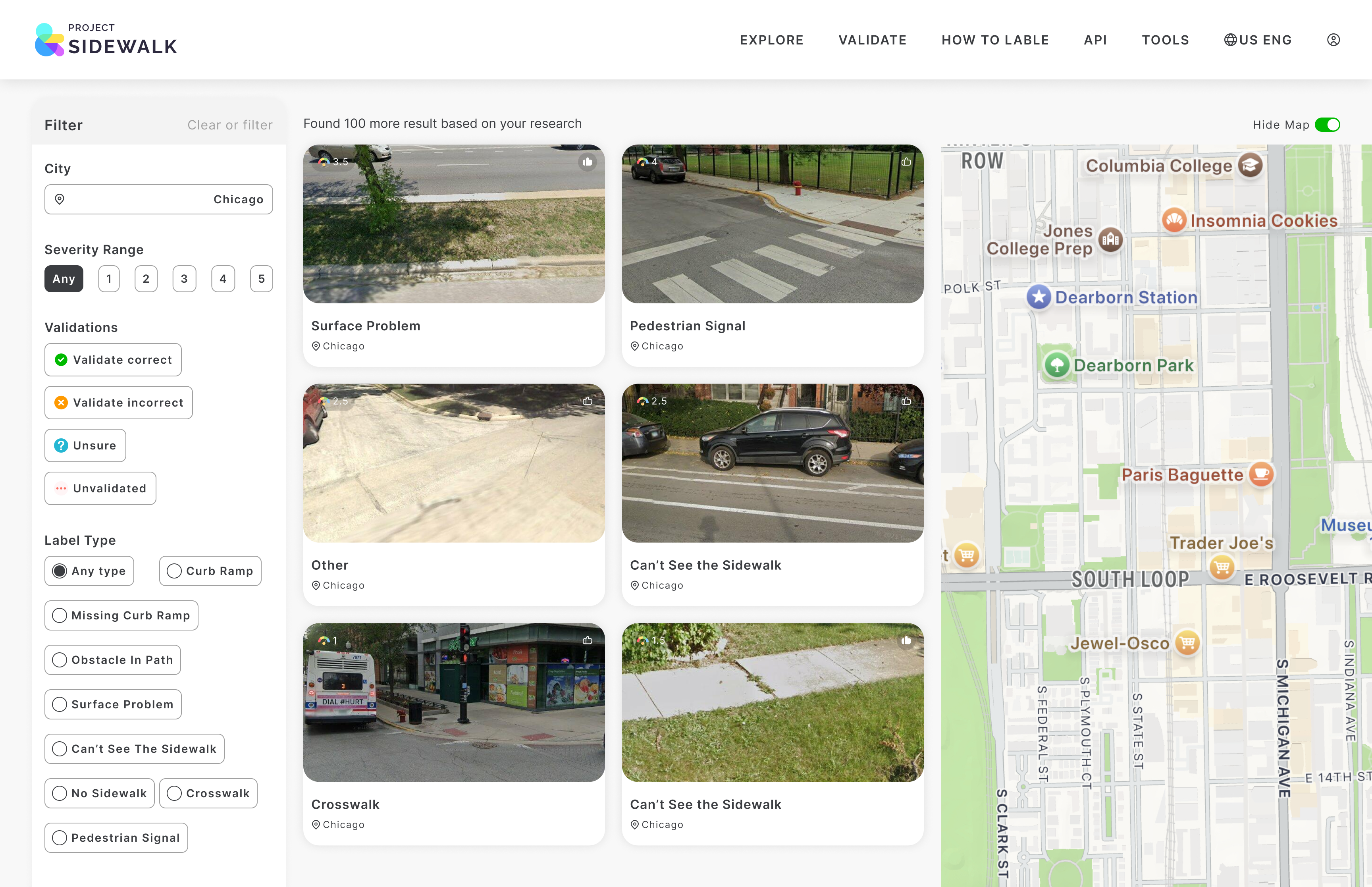
Before vs. After: The System in Action
The design system wasn't just documentation—it was a working contract between design and engineering. Here's how it transformed the development workflow.
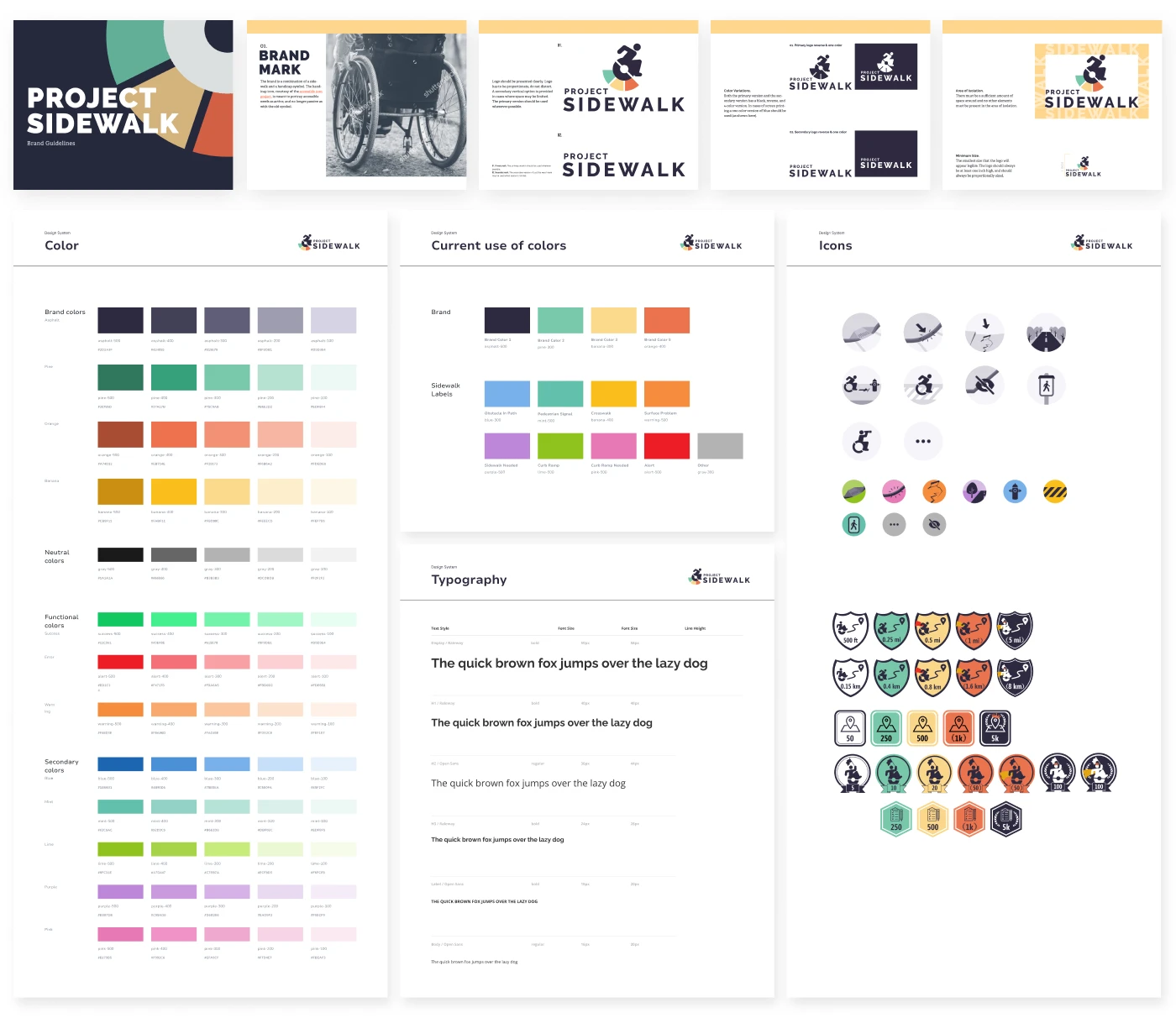
Outcome & Impact
What began as a UI cleanup evolved into a strategic effort to scale a civic tool through thoughtful, resilient design.
Systems Thinking in Civic Tech
A robust design system is not just a style guide—it is a tool for empowerment that allows developers to move faster and ensures that inclusivity is baked into the code, not just the pixels.
This project taught me that in civic tech, a design system isn't a luxury—it's a necessity for scale. When inclusivity is baked into the system architecture, every new feature inherits those values. The result is a platform where accessibility is automatic, not an afterthought.